
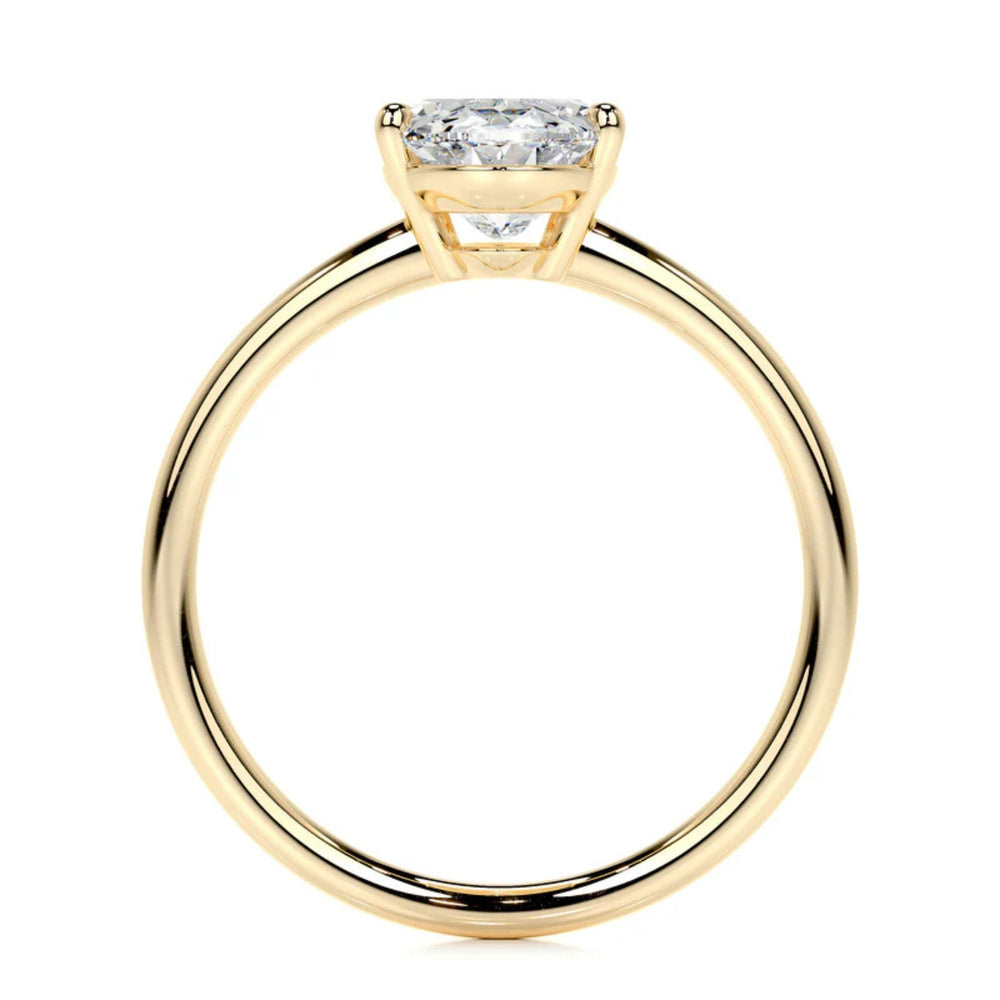
Lab-Grown Diamonds or Natural Diamonds – Which Is Better for Your Engagement Ring?
When you’re selecting an engagement ring, one of the most common questions is: Should I choose a lab-grown diamond or a natural (mined) diamond? The answer depends on budget, values, long-term plans and personal preference. In this guide we’ll compare the two, highlight pros & cons, and help you decide which option suits you best.
What are the differences?
-
Both lab-grown diamonds and natural diamonds are chemically, physically and optically identical: both score a 10 on the Mohs hardness scale and have the same sparkle.
-
The key difference is origin: natural diamonds formed deep within the Earth over billions of years; lab-grown diamonds are created in controlled laboratory processes (such as HPHT or CVD) in weeks or months.
-
Because of these differences in origin and supply, other factors like price, rarity, ethical concerns and resale value differ.
Pros & Cons: Lab-Grown Diamonds
Pros:
-
More affordable: you can often get a diamond of similar size and quality for significantly less.
-
Transparency / ethics: no mining required; fewer issues around conflict mining (although lab-growing still uses energy).
-
Quality control: grown in controlled environment, meaning you can often achieve very good colour and clarity at that price.
Cons:
-
Resale value: lab-grown diamonds may hold less resale or “investment” value over time, because supply can scale.
-
Rarity & emotional story: for some people the fact that a diamond formed naturally deep in the Earth gives extra meaning; lab-grown may lack that “millions of years” narrative.
-
Environmental/energy issues: Although mining has issues, lab growing uses a lot of energy and depends on how the lab power is sourced.
Pros & Cons: Natural Diamonds
Pros:
-
Rarity, tradition and story: Natural diamonds are finite, each unique and formed by nature over vast time-scales.
-
Potentially stronger resale or legacy value: Because they’re rarer, some natural diamonds may retain value better.
-
Emotional appeal: For many buyers the idea of a diamond formed deep in the Earth adds a romantic dimension.
Cons:
-
Price: Generally more expensive for the same size/quality compared to lab-grown.
-
Mining impacts: Environmental concerns, ethical sourcing concerns. While much progress has been made (e.g., conflict-free certifications) this remains a factor.
-
Less “bang for buck” if you prioritise carat size or budget.
How to decide – your checklist
-
Budget: If you want maximum size / quality for your budget, lab-grown may allow you to upgrade size or clarity.
-
Investment / resale: If you expect you might resell or treat the stone as a long-term asset, natural might edge ahead.
-
Values & ethics: If mining concerns, traceability, environment matter to you, investigate both: “natural conflict-free” vs “lab with renewable energy”.
-
Style & story: Which story resonates with you and your partner?
-
Certification: Always ask for robust certification (e.g., Gemological Institute of America (GIA) or International Gemological Institute (IGI)). Even for lab-grown, origin must be clearly stated.
Key take-aways
-
There is no universal “better” answer — it depends on your priorities.
-
If affordability and size are your priority, a lab-grown diamond is a very strong choice.
-
If rarity, investment potential and the romantic narrative of nature appeal most, a natural diamond may be for you.
-
Whatever you choose, quality (cut, colour, clarity, carat) and certification matter most for long-term enjoyment and confidence.
Final thought
Choosing a diamond for your engagement ring is deeply personal. Whether you go with a lab-grown or natural diamond, what truly matters is how it symbolises your love, commitment and the future you are building together. With informed choice, you can feel confident that your ring is not just beautiful — it aligns with your values and your vision.
From the blog
View all